Up to One in Three Adults Over 75 Harbour significant Alzheimer's pathology
without Showing Signs of Memory loss.

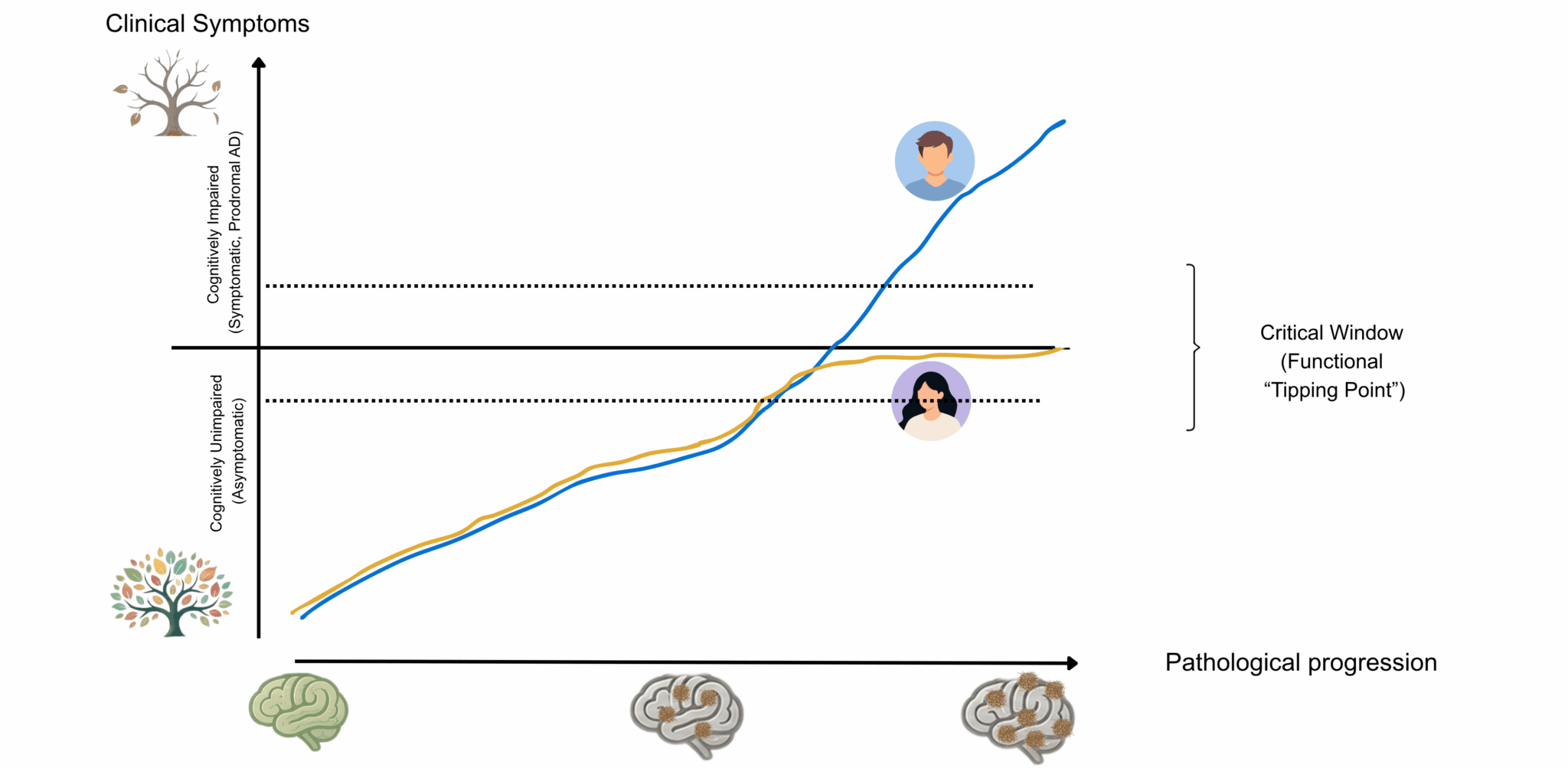
Amyloid and tau biomarkers reveal pathology. They do not reveal whether the memory network is still functioning.

Amyloid/tau plaques: Alzheimer’s pathology. Canopy: functional memory-network integrity. Significant pathology and preserved cognitive function can coexist.

MindScreener

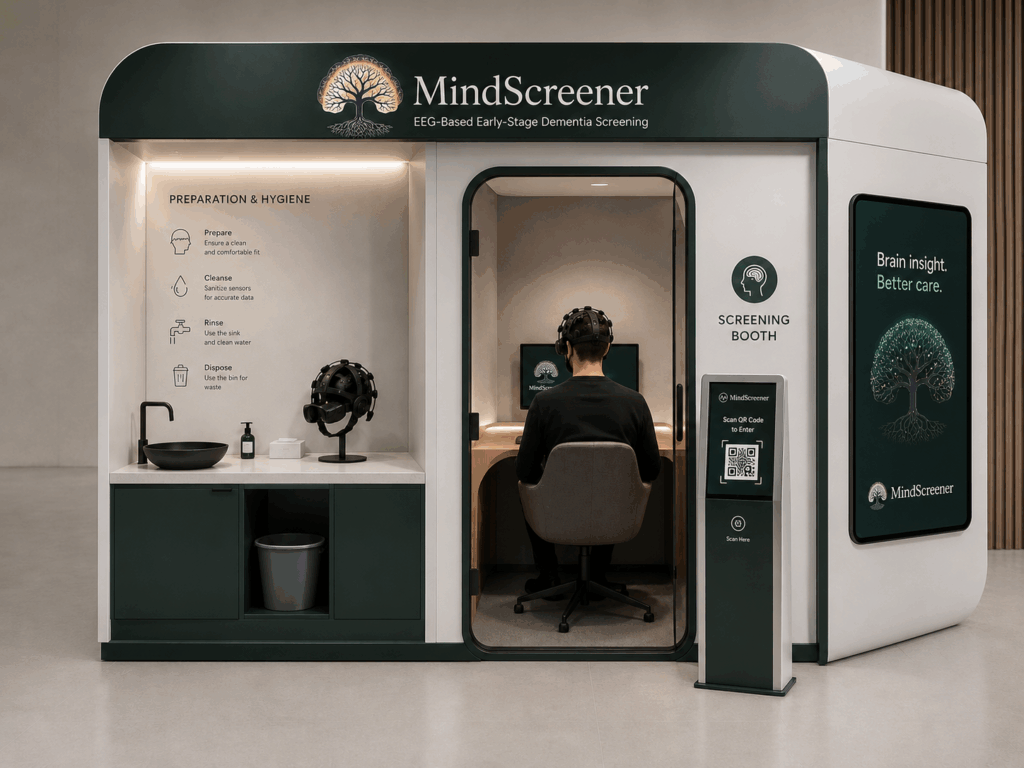
Toward point-of-care dementia screening
using non-invasive, functional EEG


THE VISION

A more accessible route to biomarker assessment.

MindScreener is leveraging Electroencephalogram(EEG) as ascalable first-stage signal for amyloid-status research, alongside Positron Emission Tomography(PET), Cerebrospinal Fluid(CSF) or appropriately validated blood biomarkers. Its current platform is for Research Use Only and is not a validated diagnostic device


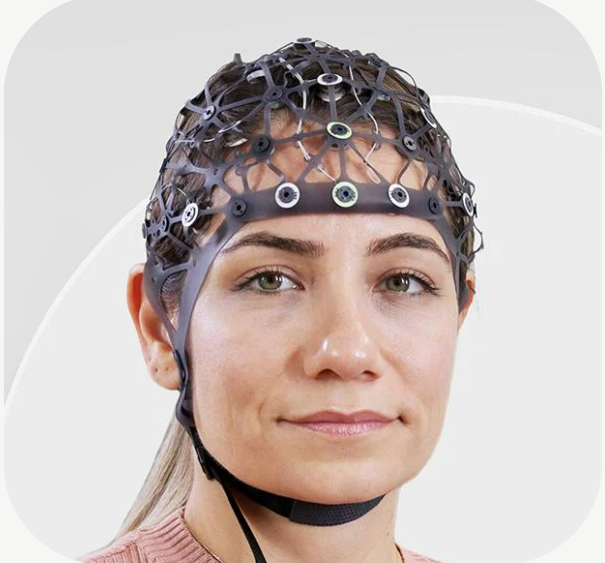
Non-invasive EEG measurement

Standardised research workflow

Independent validation programme

THE FUTURE OF EARLY DIAGNOSIS

“The future of early diagnosis of Alzheimer’s disease and other neurodegenerative disorders islikely to rely on a combination of molecular biomarkers and functional readouts.”

Prof. Bart De Strooper, MD, PhD, CBE

This statement reflects a general scientific perspective on the field. It does not constitute an assessment or endorsement of MindScreener, its technology, products, or scientific claims.

WHY THIS MATTERS

Bring functional brain assessment closer to the point of care.

MindScreener is developing a reproducible, scalable EEG pathway to help identify who should be prioritised for confirmatory biomarker testing. Building on encouraging research findings, we are advancing independent clinical validation and the regulatory programme for a medical device designed to complement blood biomarkers with a functional readout of memory-network integrity.

THE PLATFORM

A controlled, patent-pending EEG workflow.

Standardised acquisition, signal-quality assessment, spectral feature extraction and machine-learning analysis in one traceable research process.

01

Record EEG

Resting and stimulation
protocols with recording
metadata.

02

Verify quality

Electrode, channel, artefact
and environmental checks.

03

Extract features

Periodic power, aperiodic
exponent and stimulation-
response measures.

04

Classify pattern

Reference-cohort output with
Quality Control context or
result withholding.

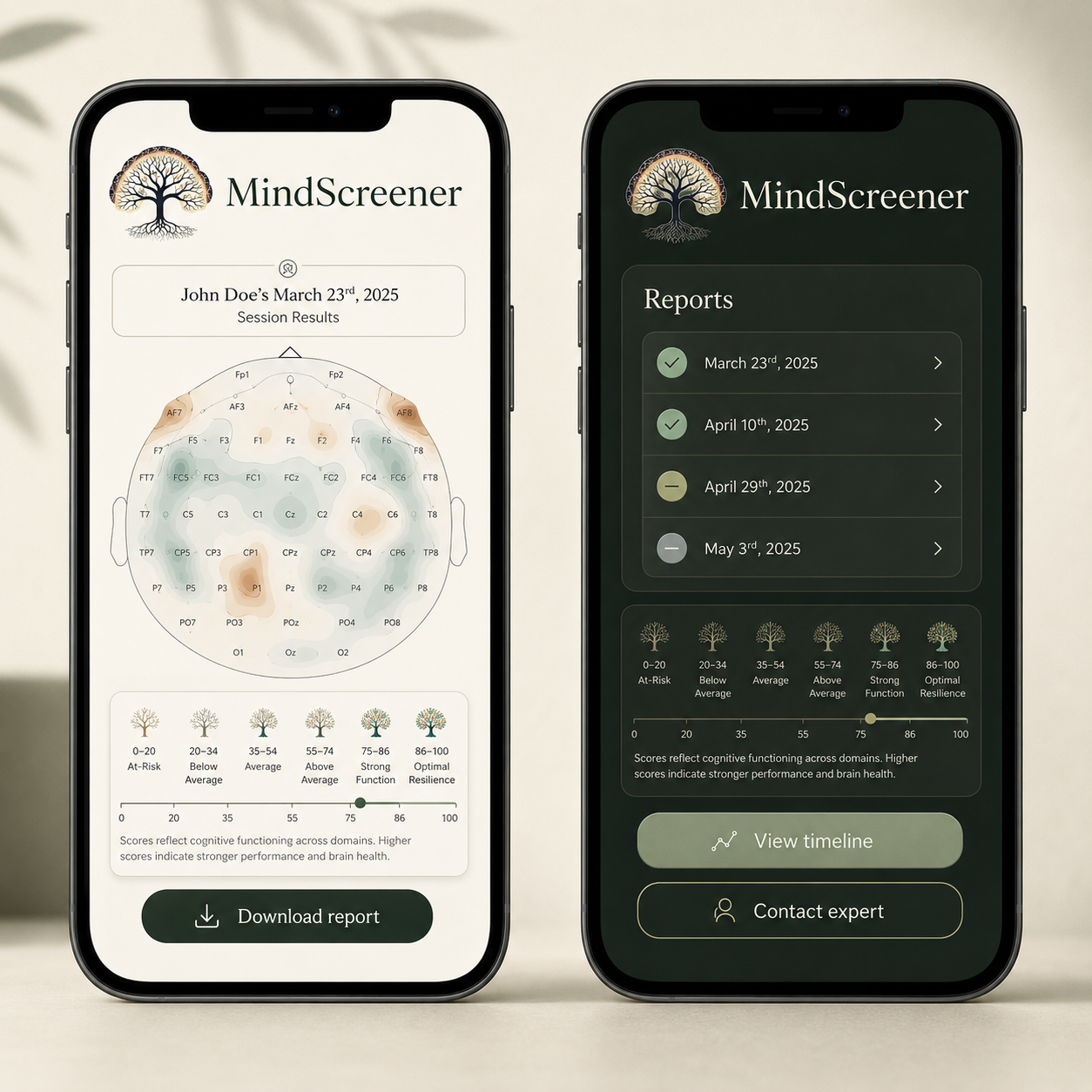
Illustrative RUO research interface. Client-facing UI subject to
clinical and regulatory validation.

EVIDENCE

Clear about what is known and what is underway.

PUBLISHED ASSOCIATION STUDY

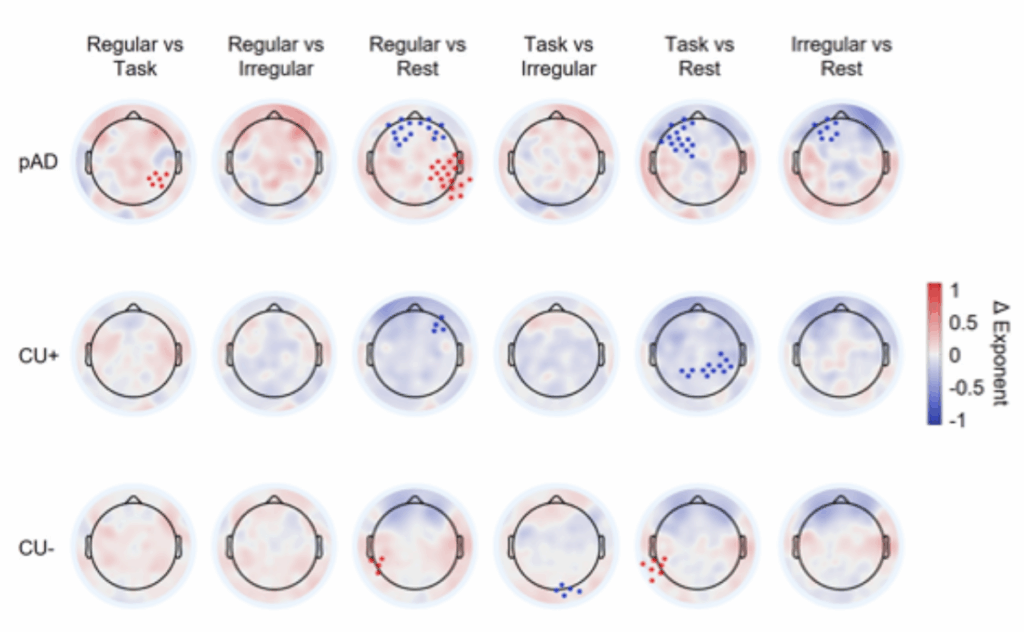
EEG and tau-PET findings

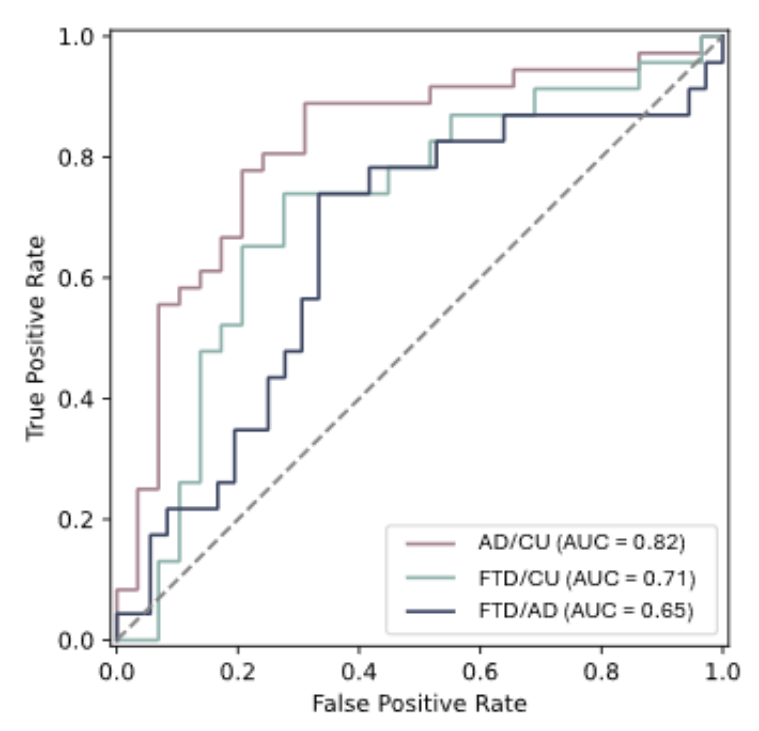
A 64-participant high-density EEG study reported region-specific aperiodic differences and associations with tau burden. Our model achieved ROC-AUC of 82% in distinguishing between Alzheimer’s Disease and Cognitively Unimpaired individuals.

INTERNAL EXPLORATORY ANALYSIS

Retrospective classifier research

A separate 48-participant, two-centre analysis produced exploratory estimates. MindScreener validates analysis and classifier performance through independent clinical trials.

ONGOING VALIDATION

Evidence still required

Repeatability, hardware bridging, multi-site reproducibility, prospective performance and clinical utility data underway.

Overall, this study suggests that EEG, and especially aperiodic activity, could become a useful noninvasive tool for detecting early functional changes in Alzheimer’s disease.

Overall, this study suggests that EEG, and especially aperiodic activity, could become a useful noninvasive tool for detecting early functional changes in Alzheimer’s disease.


Our model achieved ROC-AUC of 82% in distinguishing between Alzheimer’s Disease and
Cognitively Unimpaired individuals.

DEVELOPMENT ROADMAP

A staged path from research proof to clinical evidence

COMPLETE / ONGOING

Scientific discovery

Identify candidate EEG features
associated with pathology.

CURRENT

Research Use Only validation

Evaluate independent cohorts,
sites, hardware and protocols.

UNDER VALIDATION

Prospective clinical validation

Establish analytical performance,
clinical performance and utility.

FUTURE INTENDED USE

Regulated clinical product

Launch only after validation and
regulatory clearance.

PUBLICATIONS

Research & Intellectual Property behind the programme

Published findings, internal exploratory results and future validation are presented as distinct evidence categories.

Published research 2026

Author: Tjasa Mlinaric et al 
Role: MindScreener SAB

Early aperiodic EEG changes in preclinical and prodromal Alzheimer’s disease

Resting and visual-stimulation EEG were collected alongside dynamic tau PET. The study reported region-specific aperiodic differences and associations with tau burden. It did not validate the MindScreener classifier.

Published research 2014

Author: Dugger BN et al

Role: Not related to company

Clinicopathological Outcomes of Prospectively Followed Normal Elderly Brain Bank Volunteers

Autopsy studies indicate that roughly one-third of cognitively unimpaired older adults may
nevertheless harbour substantial Alzheimer-type neuropathology.

Published research 2006

Author: Bennet et al

Role: Not related to company

Neuropathology of older persons without cognitive impairment from two community-based studies
Autopsy studies suggest that roughly one in three cognitively unimpaired older adults can have substantial Alzheimer-type neuropathology despite showing no clinical cognitive impairment.

Published research 2015

Author: Jansen et al
Role: Not releated to company

Prevalence of Cerebral Amyloid Pathology in Persons Without Dementia

Combines 55 studies and included 2,914 cognitively normal participants. Amyloid positivity increased from 10% at age 50 to 44% at age 90; other syntheses place it around 20–30% at ages 70–80. This establishes that substantial amyloid can exist for years without dementia.

Published research 2024

Author: O’Neill et al
Role: Not releated to company

Cognitive Resilience to Alzheimer’s Disease Characterized by Cell-Type Abundance

This recent paper summarizes the field estimate directly: approximately 25% of cognitively normal people aged 75 or older show Alzheimer-like amyloid, tau and neuronal pathology at autopsy. Its primary analysis also identifies cellular and genetic correlates of resilience.

Published research 2019

Author: Bowles et al
Role: Not releated to company

Cognitive Resilience to Alzheimer’s Disease Pathology in the Human Brain

Among 276 people with intermediate/high Alzheimer pathology, 68—25% of this pathology-positive group—remained dementia-free with high cognition close to death. College education was associated with twice the odds of resilience, while microinfarcts and hippocampal sclerosis markedly reduced it.

Published research 2013

Author: Wilson et al
Role: Not releated to company

Life-Span Cognitive Activity, Neuropathologic Burden, and Cognitive Aging

In 294 people followed cognitively and then autopsied, greater early- and late-life cognitive activity predicted slower cognitive decline after controlling for amyloid, tau tangles, infarcts and Lewy bodies. Cognitive activity explained 14% of the remaining variation in decline.

Published research 2023

Author: Paolillo et al
Role: Not releated to company

Multimodal Lifestyle Engagement Patterns Support Cognitive Stability Beyond Neuropathological Burden

This study followed 2,059 older adults; 791 subsequently had autopsies. Balanced physical, cognitive and social engagement was associated with slower cognitive decline even after adjustment for Alzheimer, vascular, Lewy-body and TDP-43 pathology. Because it is observational, it supports an association rather than proving causation.

Published research 2023

Author: Wagner et al
Role: Not releated to company

The Association of MIND Diet With Cognitive Resilience to Neuropathologies

In 578 deceased older adults with longitudinal cognitive testing and postmortem neuropathology, high adherence to the MIND diet was associated with better cognition and slower decline than expected from the pathology burden.

Published research 2024

Author: Boyle et al
Role: Not releated to company

Left Frontoparietal Control Network Connectivity Moderates the Effect of Amyloid on Cognitive Decline

In 1,021 cognitively unimpaired older adults followed for an average of 5.4 years, stronger left frontoparietal-control-network connectivity was associated with less amyloid-related cognitive decline. This is probably the strongest direct support for your “unique brain wiring” idea, although “functional network organization” is the scientific term.

INTELLECTUAL PROPERTY

Patent published: 12 February 2026

Owner: Mindspeller BCI BV

Publication No: WO2026032524A1

Method and system for activating and analyzing the default mode network of a subject for neurophysiological data analysis, pattern identification and characterization (MindScreener)

Status: Published

Patent published: 15 January 2026

Owner: Mindspeller BCI BV

Publication No: WO2026013188A1

Method for imagined speech fragment identification and semantic reconstruction.

Status: Published

Patent Granted 7 February 2024

Owner: Mindspeller BCI BV

US patent: US12260850B2

Dutch patent: NL2024573B1

Brain computer interface running a trained associative model applying multiway regression to simulate electrocorticography signal features from sensed EEG signals, and corresponding method.

Status: Published

EVIDENCE CATEGORY

Published Research

Peer-reviewed findings describing relationships between EEG measures and biomarker burden.

EVIDENCE CATEGORY

Internal exploratory analysis

Proprietary classifier research that remains subject to independent validation.

UNDER DEVELOPMENT

Longitudinal functional-
resilience monitoring.

 MindSscreener studies will examine whether EEG-derived features change across repeated visits, disease progression or therapeutic programmes. The concept is not a current product output or validated clinical score but a product concept under development.

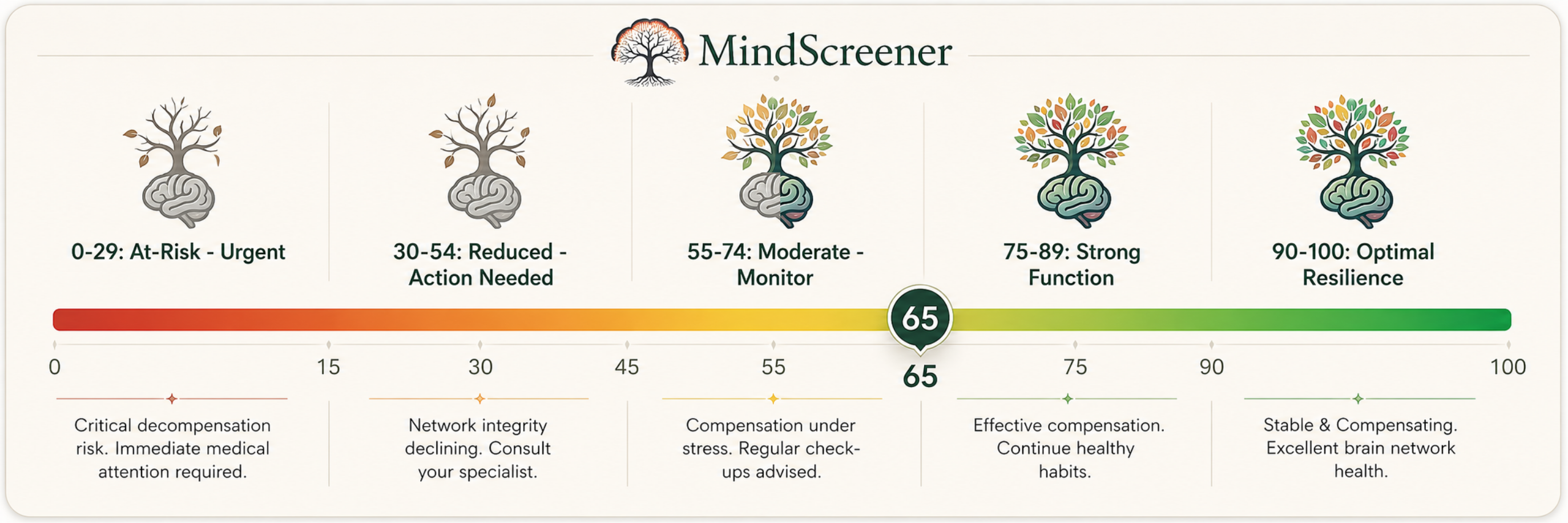
Icon key — Brain colour: amyloid/tau burden (green lower; grey higher; mixed intermediate) · Tree canopy: resilience (full = preserved; sparse = reduced). High pathology may coexist with preserved function.

RESEARCH PARTNERS

Built for independent evaluation.

Two collaboration routes support academic validation and sponsor-led evidence generation.
For academic research teams

Validate EEG-derived features in independent
cohorts and contribute to multi-site reproducibility evidence.

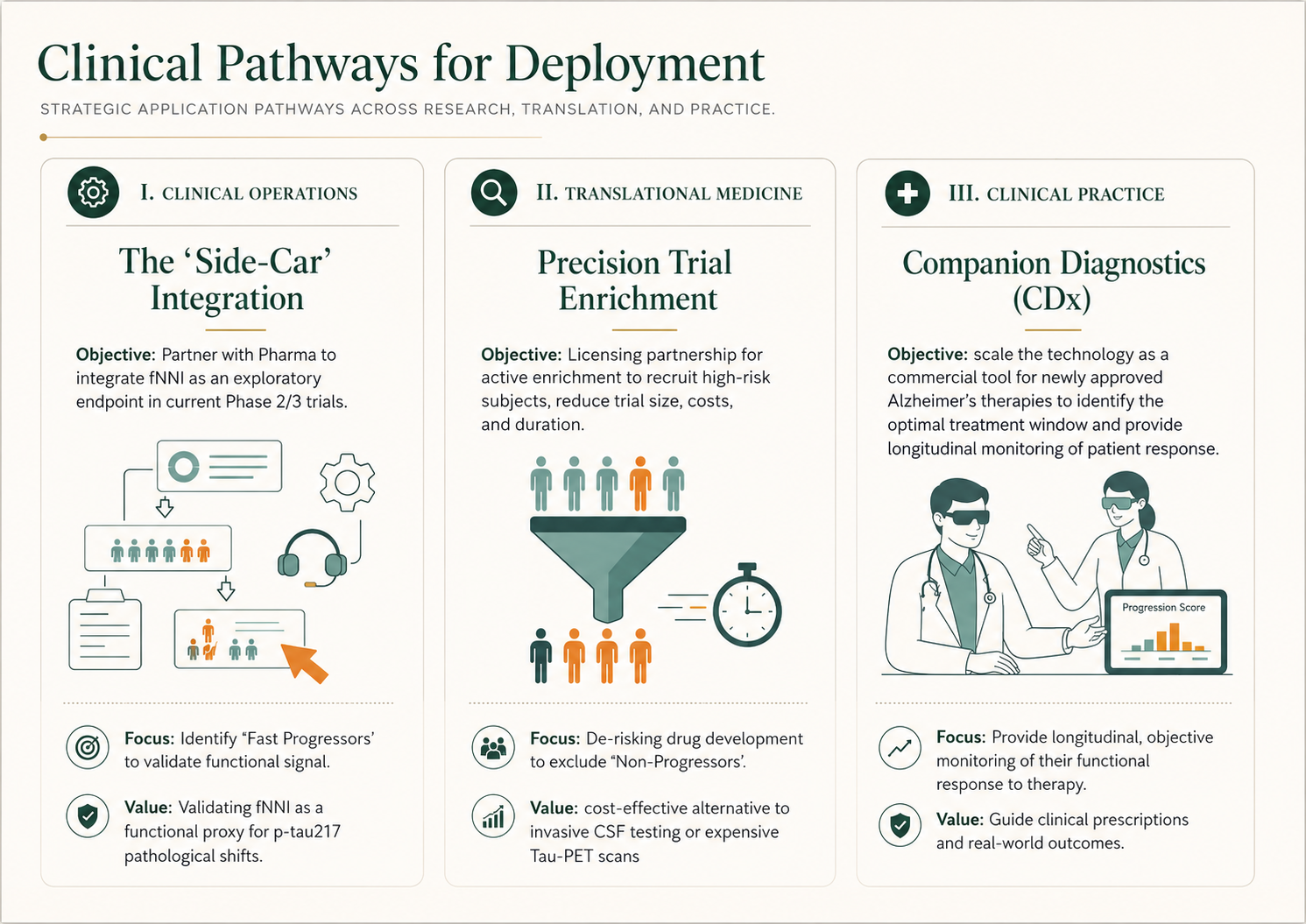
For sponsors and CROs

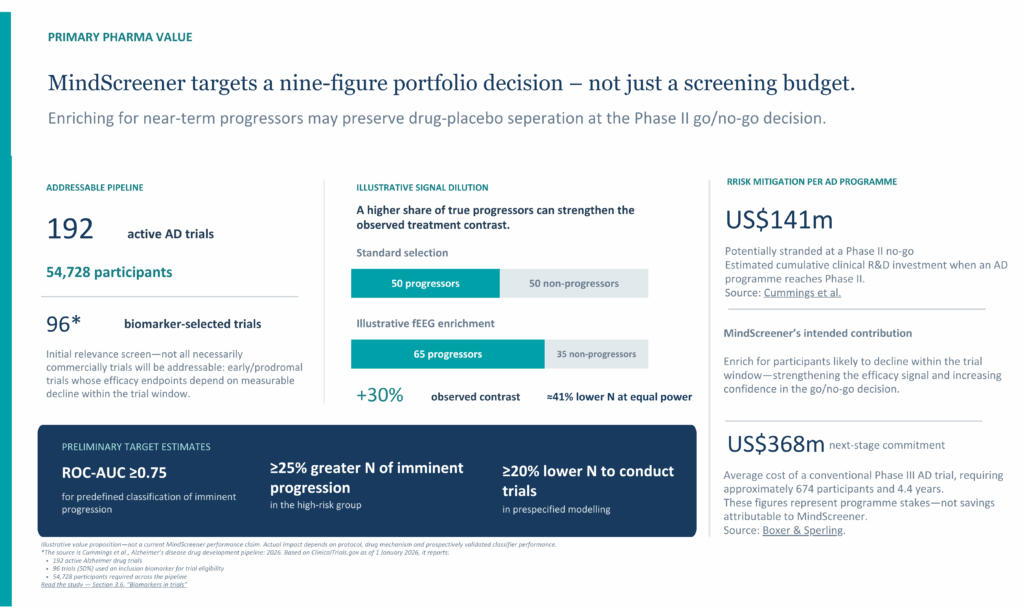
Evaluate EEG-supported enrichment research alongside confirmatory biomarker testing.

Illustrative scenario only — not demonstrated savings. All assumptions require sponsor-specific validation.

MINDSCREENER

Building the functional layer of
dementia assessment.

MindScreener is a dedicated medical-device venture within the Mindspeller
NeuroTech group. We combine EEG and brain-computer-interface science,
machine learning, product engineering and regulatory expertise to advance an
investigational platform towards clinical validation and certification.

SCIENTIFIC ADVISORY BOARD

What makes MindScreener different


Non-invasive measurement

EEG records brain activity without radioactive tracers or lumbar puncture.


Automated biomarker extraction

Software converts raw neural activity into reproducible spectral features.


Active and resting protocols

The research programme examines spontaneous activity and controlled stimulation responses.


Transparent classification

Reference-pattern output is accompanied by Quality Control, model and recording metadata.


Scalable architecture

The longer-term objective is deployment across research centres, trial sites and clinical pathways after validation.


Evidence-led development

Published findings, preliminary classifier results and future intended use are presented separately.

LEADERSHIP AND EXPERTISE

Independent expertise for responsible development.

The advisory board brings clinical, neurological, psychiatric and digital-health perspectives to MindScreener’s research and development programme.

Clinical & scientific advisors

Prof. Marc Van Hulle, PhD

Co-founder and Chief Scientific Officer. Head of the Computational Neuroscience and BCI Laboratory at KU Leuven.

Holly Posner, MD, MS

Physician-scientist and senior clinical R&D leader across neurology and Alzheimer programmes.

Ludovic Ampe

Head of Neurology at Cascador Health; neurotechnology and digital- health operator.

Gill Livingston, MD, PhD

Professor in Psychiatry of Older People, UCL; honorary consultant psychiatrist.

Stephan Claes, PhD

Full Professor and Head of Psychiatry Research at KU Leuven; member of the Leuven Brain Institute.

LEADERSHIP AND EXPERTISE

A multidisciplinary product-development team.

MindScreener brings together company strategy, EEG and machine-learning science, product development and regulatory
expertise.

Prof. Marc Van Hulle, PhD

Co-Founder and Chief Scientific Officer — EEG biomarkers, neural-signal analysis and machine learning.

NN

candidate identified, interviews ongoing

CEO — Senior life-sciences and medtech leader, experienced in regulated diagnostics, product development and multidisciplinary team leadership.

NN

candidate identified, interviews ongoing

CTO — Biomedical engineer and PhD-trained AI researcher with experience in biomedical signals, imaging and clinical collaboration.

 
Hannes De Wachter, MSc

Co-Founder & Chief Corporate Development Officer

ATTP-registered technology-transfer professional leading people and organisation, corporate communications, technology licensing, strategic partnerships and investor relations.

Caydie Van Brabant, MSc

Business Developer: biomedical engineer and healthtech founder with experience in US market expansion, commercial partnerships and scaling digital-health solutions.

 
Bob Van Dyck, PhD

Product Developer translating EEG methods and experimental workflows into scalable neurotechnology products.

Tianyu Ma, PhD candidat

Research Scientist, EEG & Machine Learning: PhD researcher developing EEG biomarkers, neural-signal analysis and machine-learning methods for functional cognitive assessment.

Dries Weytjens, MSc

Product Developer: bioscience engineer with postgraduate training in innovation and entrepreneurship, translating biomedical innovation into practical, scalable neurotechnology products.

 
Beatrice Marconi, MSc

Biomedical Engineer, R&D & Quality: combining hands-on physiological-signal processing and medtech development with growing responsibility for MindScreener design controls and quality assurance.

Interested in an independent validation or research
partnership?

Tell us about your cohort, reference-biomarker pathway, EEG setup and research objective.

RESEARCH QUALIFICATION

Discuss an RUO validation or research partnership

This form is for academic researchers, clinical research centres, pharma sponsors, CROs and
diagnostic-development partners. Do not submit patient health data.

Before you begin

✓ Research teams and professional partners only
✓ No patient screening or clinical intake
✓ No patient-identifiable health data
✓ Response target: within 2 business days
Why we ask technical questions

Cohort, reference biomarker and EEG details help us assess feasibility and route the inquiry to the appropriate scientific or partnership team.

Research qualification form

Fields are grouped to make the inquiry easier to complete.

Contact Form Mindspeller (#3)

Your details

Provide your personal details


Research settings


Available infrastructure


Collaboration Objective

Do not include patient health data in the free-text field.


Scroll to Top